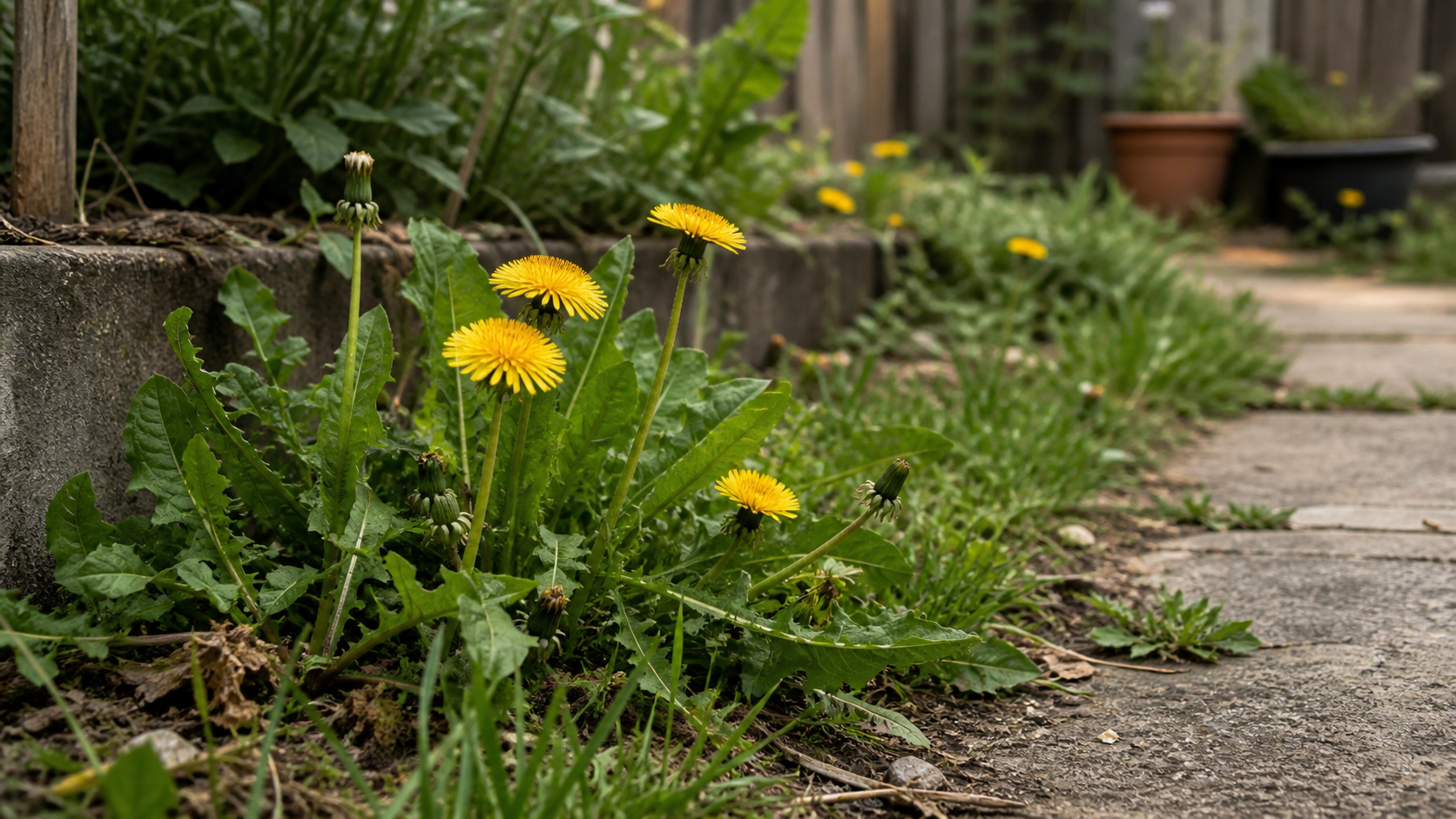
Dandelion is easy to overlook.
It grows in lawns, cracks, gardens, parks, and field edges, and it is often treated as a weed. In a Sebian kitchen, it is more useful than that.
Dandelion can be used as a wild green, a bitter herb, and a root tea. The main thing is knowing which part of the plant you are using and how to prepare it.
The short answer
Dandelion usually refers to Taraxacum officinale, a perennial plant with a deep taproot, toothed leaves, hollow flower stalks, yellow flower heads, and white seed heads. [1]
The leaves, flowers, and roots are all used as food in different ways. Extension sources describe dandelion leaves and flowers being used in salads, stir-fries, teas, jams, and wines, while the roots can be roasted and used as a coffee-like drink. [2]
In the Sebian lifestyle, dandelion fits because it is:
- A wild green
- A bitter herb
- A mineral-rich leaf
- A simple tea plant
- A bridge between food and herbal use
Dandelion benefits and traditional uses
Dandelion is usually used for a few reasons: bitter digestion support, fluid balance, minerals, and its long place in herbal traditions.
The leaf has the strongest human evidence around urine flow. A small pilot study on fresh dandelion leaf extract found increased urinary frequency and excretion over a single day. [3]
That helps explain why dandelion leaf has such a long reputation as a diuretic herb. It also explains why older herbal traditions often connect dandelion with water retention and fluid movement.
The digestion angle mostly comes from traditional use and bitter-herb practice. Dandelion has been used traditionally for appetite, digestive complaints, liver and gallbladder language, and as a bitter tonic. [4]
The inflammation and immune-system angle is more laboratory and animal-study based. Reviews of Taraxacum research describe antioxidant, anti-inflammatory, antimicrobial, antiviral, and immune-regulating activity in experimental studies, but that is not the same as saying dandelion tea produces those outcomes in people. [5] [6]
So the honest version is this: dandelion has real traditional use, useful nutrition, some human evidence around diuretic activity, and a growing research base around its plant compounds.
What dandelion contains
Dandelion greens are valued because they are leafy, bitter, and mineral-rich.
Food data for raw dandelion greens lists nutrients including vitamin A activity, vitamin C, vitamin K, calcium, iron, magnesium, potassium, and folate. [7]
The exact nutrient content can vary by soil, season, growing conditions, and preparation, but the basic point is clear: dandelion is a real leafy green, not just a lawn weed.
Leaves, roots, and flowers
Dandelion is easier to understand when you separate the plant into parts.
Leaves: best used as a green. Young leaves are usually milder. Older leaves are usually better cooked because they are more bitter.
Roots: usually dried or roasted for tea. Roasted dandelion root has a dark, earthy flavor and is often used as a coffee-like drink. [8]
Flowers: edible, but less central for a Sebian kitchen. They are used in some traditions for teas, syrups, wines, and other preparations.
For a simple start, use fresh dandelion greens or dandelion root tea.
How to use dandelion leaves
Buy or harvest clean dandelion greens, rinse them well, and cook them with onion, peppers, herbs, sea salt, and lime.
Use them like other strong greens:
- Raw in small amounts with milder greens
- Sauteed with onion, pepper, and herbs
- Added to soups near the end
- Mixed with kale, turnip greens, or watercress
- Chopped into a warm grain bowl
- Finished with lime and sea salt
If the bitterness is too much, cook them. Heat softens the texture and rounds off the edge.
How to make dandelion root tea
A simple method:
- Dig the root carefully if harvesting yourself.
- Wash it thoroughly.
- Chop it into small pieces.
- Dry it fully.
- Roast gently if you want a darker flavor.
- Simmer or steep in hot water.
- Strain and drink as tea.
If you are buying dried dandelion root, start there. It is much easier than digging, washing, drying, and roasting the roots yourself.
Fresh, dried, tea, or food?
Use the form that fits the job:
- Fresh leaves for greens
- Dried leaf for lighter tea
- Dried or roasted root for deeper bitter tea
- Flowers for specific flower-based preparations
How to identify dandelion
Common identification features include:
- Basal rosette of leaves
- Deeply toothed or lobed leaves
- Hollow, leafless flower stalks
- One yellow flower head per stalk
- White milky sap when broken
- Deep taproot
- Round white seed head after flowering
Utah State University describes dandelion leaves as forming a rosette and flower stalks as hollow with yellow flower heads. Penn State also notes the thick, long taproot and coarsely lobed leaves. [1] [9]
There are lookalikes, including catsear and other yellow-flowered lawn plants. Know what you are harvesting before you eat it.
Where to harvest
Dandelion is easy to find. Clean dandelion is the harder part.
Avoid harvesting from:
- Sprayed lawns
- Roadsides
- Industrial lots
- Dog-walking areas
- Parks treated with herbicides
- Soil that may be contaminated
Backyards can work if you know the land has not been sprayed. Farmers markets and grocery stores are easier if you are new to this.
Safety and common sense
Dandelion in food amounts is generally treated as a common edible plant, but herbs can still interact with medications or cause problems for some people.
NCCIH notes that dandelion may interact with some medicines, including antidiabetes, anticoagulant, antiplatelet, and diuretic drugs. [10]
People with allergies to plants in the aster family should also be cautious.
Sources and further reading
- [1] Utah State University Extension: Dandelion
- [2] North Carolina Extension Gardener Plant Toolbox: Dandelion
- [3] Journal of Alternative and Complementary Medicine: The Diuretic Effect in Human Subjects of an Extract of Taraxacum officinale Folium over a Single Day
- [4] Journal of Ethnopharmacology: Taraxacum officinale and related species, an ethnopharmacological review
- [5] Biomedicine & Pharmacotherapy: Dandelion chemical constituents and pharmacological effects
- [6] Nutrients: Dandelion as a source of biologically active compounds
- [7] University Hospitals: Dandelion Greens Nutrition Facts
- [8] Kew: Dandelion
- [9] Penn State Extension: Common Dandelion
- [10] NCCIH: Dandelion Usefulness and Safety