Iron comes up quickly when meat is off the plate.
The question is fair, but the answer is more useful when you understand the difference between heme iron and non-heme iron.
If you are following the Sebian way of eating, this matters because the food list is plant-based. You are not looking to red meat, chicken, fish, or dairy for your minerals. You are building your meals from approved fruits, greens, grains, herbs, seeds, and sea vegetables.
That does not mean iron becomes mysterious. It just means the meal matters.
The basic difference
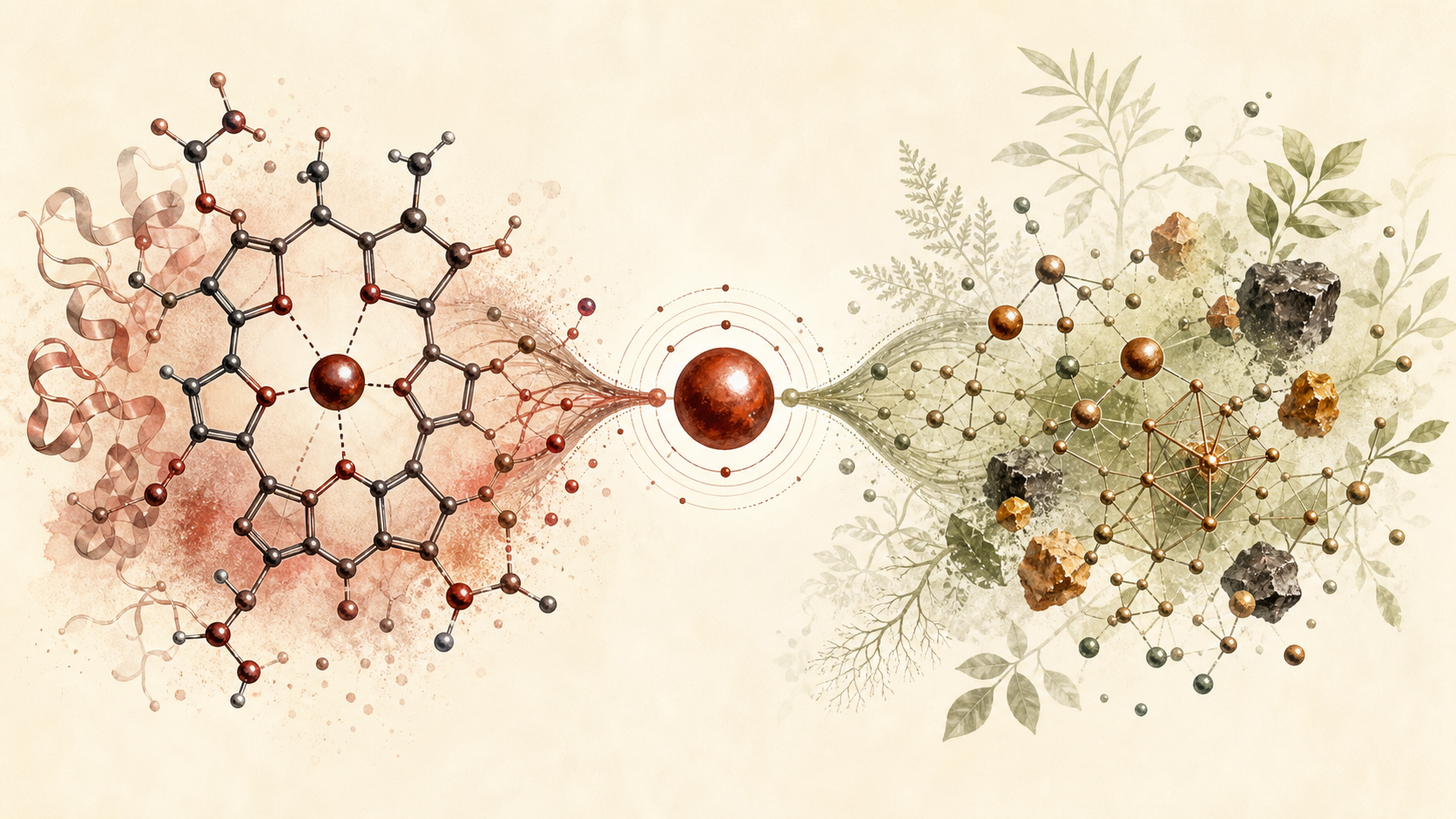
There are two main forms of iron in food: heme and non-heme. Heme iron is found in animal foods. Non-heme iron is found in plant foods, fortified foods, and many supplements. [1]
| Type of iron | Where it comes from | What to know |
|---|---|---|
| Heme iron | Animal foods | Usually absorbed more easily |
| Non-heme iron | Plant foods, fortified foods, supplements | More affected by what else is in the meal |
That is the whole reason this topic matters for plant-based eaters.
Vitamin C can help the body absorb non-heme iron. Some compounds in grains, legumes, teas, coffee, and other plant foods can reduce absorption when eaten or drunk at the same time. [1] [2]
For a Sebian kitchen, the practical lesson is simple: do not only ask whether a food contains iron. Ask what you are eating it with.
Why heme iron gets attention
Heme iron gets a lot of attention because it is the form found in animal foods and is generally easier for the body to absorb.
That is why conventional nutrition advice often points toward red meat, poultry, fish, or shellfish when iron comes up. That advice may be common, but it does not fit the Sebian lifestyle.
Dr. Sebi's nutritional guide removes animal products, so the iron conversation has to move away from meat and toward plant minerals, herbs, sea moss, greens, and whole approved foods.
Why non-heme iron matters here
Non-heme iron is the form that matters most in a plant-based diet.
In a Sebian kitchen, that might mean:
- Approved greens
- Amaranth, quinoa, teff, and other approved grains
- Sesame seeds and hemp seeds
- Sea moss
- Dandelion, yellow dock, burdock, and other mineral-focused herbs
The important part is absorption. Non-heme iron is more sensitive to what else is in the meal.
That is where vitamin C helps. Squeeze lime over cooked greens. Add bell peppers to a grain bowl. Eat approved fruit earlier in the day. Use simple combinations instead of turning every meal into a nutrition math problem. [1] [2]
Build the meal around absorption
An iron-focused plate does not have to look like a supplement routine.
Use this pattern:
| Start with | Add | Drink |
|---|---|---|
| Greens, grains, seeds, herbs, or sea vegetables | Lime, key lime, bell peppers, berries, or another approved fruit | Water |
For example, you could make a bowl with quinoa or amaranth, sauteed greens, onion, bell pepper, herbs, sesame or hemp seeds, avocado, and lime.
Or keep it even simpler: cooked dandelion greens, a grain on the side, and lime over the top.
Watch the tea timing
Tea and coffee are worth mentioning because they can interfere with non-heme iron absorption when taken with meals. This is mostly connected to polyphenols, which are plant compounds found in tea, coffee, and some other foods and drinks. [2]
That does not mean every tea is bad. It just means timing matters.
If you are making a mineral-focused meal with greens, grains, seeds, or herbs, it may be better to drink water with the meal and have stronger teas away from that meal. That is especially practical if iron is already something you are paying attention to.
This is one reason spring water is such a simple foundation in the Sebian lifestyle.
When to get checked
Food education is helpful, but it has limits.
Iron is connected to hemoglobin, the protein in red blood cells that helps carry oxygen through the body. [1]
Guessing is not the same as knowing. Get proper support if you:
- Have been told you are anemic
- Have heavy periods
- Are pregnant
- Feel unusually tired or dizzy
- Already have low iron or ferritin on lab work
The Sebian lifestyle can still shape how you build meals, but lab numbers and symptoms need more care than internet advice can give.
For everyday meals, keep the focus simple: mineral-rich foods, vitamin C, water with meals, and better timing around teas and coffee.