Dr. Sebi's teachings are often found through videos, short clips, food-list screenshots, and comment-section summaries.
That can be useful, but it gets messy fast.
Short clips do not always give the full context. Food-list screenshots get passed around without dates. Dr. Sebi's actual teachings can get mixed with personal opinions, other alkaline diet ideas, and sometimes things he never said at all.
Books are slower, but that is part of the value. You get more of the story, more of the language, and more of the reasoning behind the Sebian lifestyle.
This is not a perfect academic reading list. It is just the set of books and materials I would look at first if I wanted more context than a short video can give.
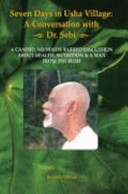
Seven Days in Usha Village: A Conversation with Dr. Sebi
If you are new, I would begin with material that keeps you close to Dr. Sebi himself.
The first one I usually point people toward is Seven Days in Usha Village: A Conversation with Dr. Sebi by Beverly Oliver.
It is not a dense textbook. It reads more like a conversation, which makes it easy to get through. Beverly Oliver spends time with Dr. Sebi in Usha Village and lets the questions move through his background, his way of explaining disease, and the ideas behind his work.
The main value is tone and context. You get a better feel for how Dr. Sebi spoke and how he framed his work, not just another version of the food list.
My Journey with Dr. Sebi
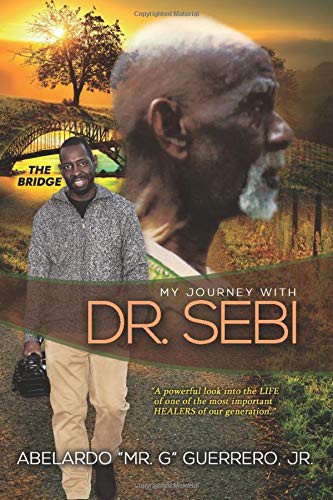
Another book worth reading is My Journey with Dr. Sebi by Abelardo Guerrero Jr.
This is more of a personal account. Guerrero writes from the perspective of someone who spent time around Dr. Sebi during his lecture circuit and had direct conversations with him.
That makes the book useful in a different way from a straight interview. You get more of the atmosphere around Dr. Sebi's work: the lectures, the travel, the conversations, and the way people responded to him.
It is especially helpful if you are trying to understand why people connected with him so strongly. The book gives more shape to the person behind the short clips.
Alkaline Herbal Medicine
Some books are not directly by Dr. Sebi or about his life, but they were clearly written for people interested in his approach.
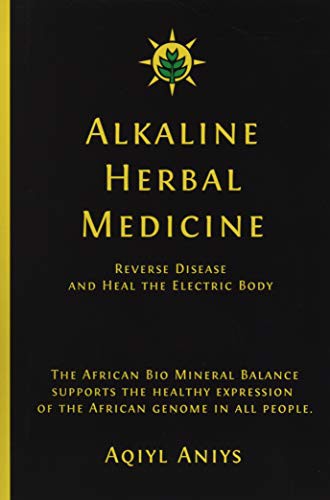
Alkaline Herbal Medicine by Aqiyl Aniys is one example. It is more practical than biographical. The focus is alkaline eating, herbs, and the idea of the electric body.
This is the kind of book to read when you want more herb and diet context, rather than more history. It sits in the same general world as Dr. Sebi's teachings, but it is still the author's own work.
That distinction matters because alkaline authors do not always use the exact same food list or the exact same herb notes.
The Mucusless Diet Healing System
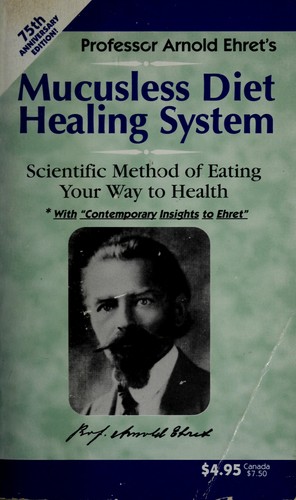
If you want historical context, The Mucusless Diet Healing System by Arnold Ehret is worth knowing about.
You will see overlap in language around mucus, elimination, fasting, and the idea that certain foods create waste in the body. That is why people in the Sebian world often bring Ehret up.
The overlap is interesting, but the systems are not identical. Some foods that appear in mucusless diet writing are not on Dr. Sebi's approved food list.
For that reason, I would treat Ehret as background reading. It helps explain some of the older mucusless-diet language that shaped later conversations, but it is not a substitute for Dr. Sebi's own framework.
There is also an annotated, revised edition by Prof. Spira, which some readers may find easier to work through than the older edition.
What Dr. Sebi actually left behind
One thing worth knowing is that Dr. Sebi did not leave behind a big shelf of books under his own name.
That makes the practical documents more important. The nutritional guide, food list, and cleansing material are not as romantic as a biography, but they are closer to day-to-day practice.
The current food list is still the most useful reference if your main question is what to eat. The cleanse guide is more relevant if you are trying to understand how cleansing was discussed in the Sebian world.
The books give you context. The guides give you the day-to-day structure.
Where I would start
If I were putting them in order, I would go like this:
- Read Seven Days in Usha Village first for the easiest introduction.
- Read My Journey with Dr. Sebi for more personal background.
- Use Alkaline Herbal Medicine when you want more herb and alkaline-diet context.
- Read The Mucusless Diet Healing System later for historical context.
That is enough to get a clearer picture without turning the whole thing into homework.