Broccoli: Why Dr. Sebi Said Avoid (And 4 Better Alternatives)
The Quick Take: Dr. Sebi recommended avoiding broccoli because it is a man-made hybrid. While it's certainly better than processed junk food, it lacks the "chemical affinity" of natural, native plants and can be starch-heavy. Here’s why it's not on the nutritional guide—and what you should eat instead.
There’s a reason you’ve never seen a broccoli out in the woods or anywhere in the wild.
Yes, it’s a human invention.
And, like any other non-naturally occurring plant, Dr. Sebi’s stance on broccoli was simple: avoid.
How was it made and by whom?
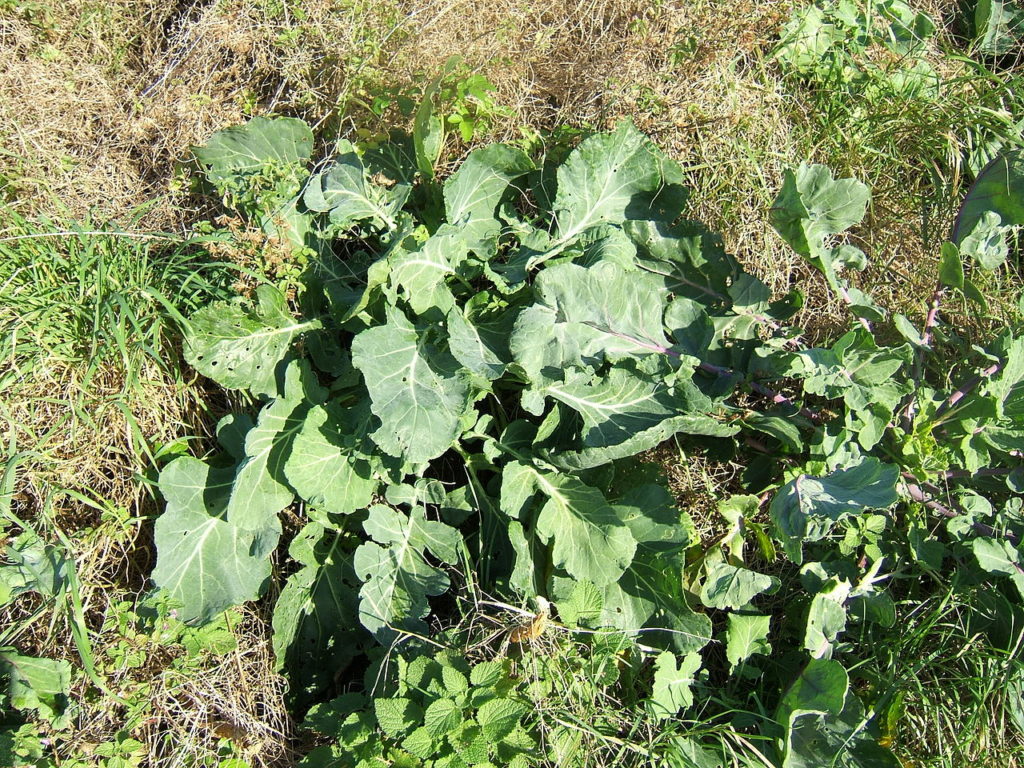
Brassica oleracea (Wild Cabbage) Wikimedia Commons

Broccoli, like cauliflower (which according to Dr. Sebi is “even worse”), is a result of selective breeding of Brassica oleracea, also known as wild cabbage.
Basically, an ancient civilization known as the Etruscans living in Italy some 2000 years ago were the first to discover and consume this ‘wild cabbage’.
They were incredibly skilled at plant breeding and sought to create a vegetable that produced larger buds and more frequently.
Kale is apparently the oldest domesticated cultivar (plant that can only be produced using selective breeding) of wild cabbage, first appearing circa 500 B.C.E. Interestingly, while kale is a cultivar, it is actually included on the Dr. Sebi Nutritional Guide due to its high alkaline mineral content, whereas broccoli's specific profile was deemed detrimental.
The Problem with Hybrids
I’ll probably go into this in another post properly, but it’s important to understand the fundamental differences between a hybrid vegetable created on a farm (mankind influencing/twisting what nature has provided) versus something that is straight-up genetically altered in a lab.
But why did Dr. Sebi warn against hybrids like broccoli?
- Lack of Electrical Affinity: Dr. Sebi taught that the body requires "electric" (natural/wild) foods that share a molecular structure the body can fully recognize and assimilate. Hybrids are fundamentally altered, meaning they lack this natural electrical resonance.
- Starch and Acidity: Hybrids are often bred for size, yield, and sweetness, which can alter their natural compound balance, resulting in higher starch content. In the Sebian methodology, excess starch breaks down into carbonic acid, which leads to the overproduction of mucus—the root of disease.
So broccoli is definitely a hybrid, what should I do?
Personally, I am of the opinion that certain hybrid vegetables are an acceptable stepping stone (hybrid, not GMO).
Ok, it’s not strictly ‘allowed’ by Dr. Sebi, but, and this is really key…
If eating broccoli means you have an easier time transitioning onto a plant-based diet, then do it.
I mean let’s be real, it’s much better to fill up on something like broccoli than relapsing only to end up gorging on junk food.
However, as you progress on your journey, you should aim to replace broccoli with approved, alkaline alternatives.
4 Dr. Sebi-Approved Alternatives to Broccoli
If you miss the hearty texture and green goodness of broccoli, try rotating these alkaline foods into your meals:
- Dandelion Greens: Bitter, potent, and highly alkaline. Excellent for cleansing the liver and packing in iron.
- Watercress: A peppery, aquatic green that is incredibly mineral-rich and great in salads.
- Wild Arugula: Offers a sharp, distinct flavor while staying firmly on the nutritional guide.
- Chayote Squash: Transition Tip: If you miss the texture of broccoli in a stir-fry, try chopping up Chayote squash! Sauté it with sea salt and onion powder for a delicious, satisfying bite.
Sources:
